One of the most common questions parents in Nairobi ask is:
“When should my child start learning to swim?”
The short answer: earlier than most people think—but in the right way.
This guide explains the best ages to start, what children actually learn at each stage, and how to choose a program that prioritizes safety, confidence, and long-term skill development.
Why Starting Swimming Early Matters
Swimming is more than a sport—it’s a life skill.
Early exposure to water helps children:
- Feel calm and confident around pools
- Develop coordination and balance
- Learn essential water safety habits
- Reduce fear as they grow older
In a city like Nairobi, where pools are common in homes, apartments, schools, and hotels, early swimming education is especially important.
Ages 1–3: Water Familiarity & Safety Foundations
At this stage, children are not learning to swim independently.
Instead, toddler programs focus on:
- Comfort in water
- Gentle splashing and movement
- Floating with support
- Listening and responding to cues
- Parent-child bonding in water
These lessons are always parent-assisted.
👉 Best suited program: Toddlers (Parent + Child)
Ages 4–6: The Ideal Age to Learn Core Swimming Skills
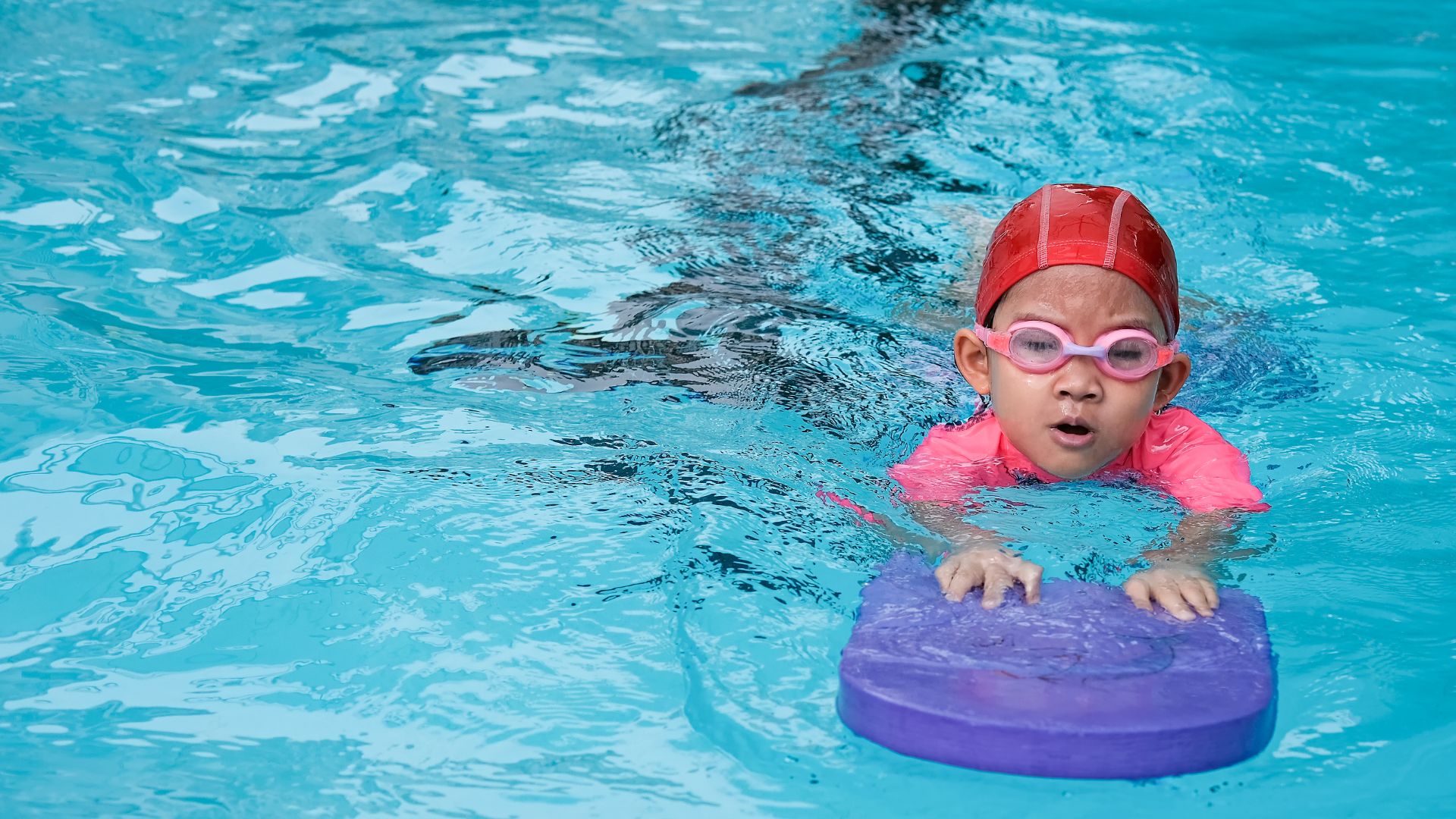
This is the most effective age for learning to swim.
Children at this stage can:
- Follow instructions
- Control breathing
- Float independently
- Begin basic strokes
- Understand pool safety rules
Lessons are structured, fun, and confidence-building—not competitive.
👉 Start here: Kids (Beginners)
Ages 7 and Above: It’s Never Too Late to Start
Children who start later can still learn very successfully.
Programs focus on:
- Confidence first
- Correct technique
- Stroke development
- Endurance and safety skills
For children who need extra attention, private lessons can help.
👉 Explore: Private Coaching
What Children Learn First (And What They Don’t)
Good swimming programs prioritize:
- Floating and breathing
- Safe entry and exit
- Calm movement in water
- Listening to instructors
They do not rush:
- Deep-water swimming
- Competitive strokes
- Speed or endurance
Safety and comfort always come first.
What If My Child Is Afraid of Water?
Fear is normal—especially if a child has had little exposure.
Professional programs:
- Introduce water gradually
- Use positive reinforcement
- Never force submersion
- Build trust over time
Most children overcome fear within the first few weeks.
How Often Should Children Attend Lessons?
For consistent progress:
- 1–2 lessons per week is ideal
- Long gaps slow confidence-building
- Regular practice reinforces safety habits
You can view schedules here:
👉 Pricing & Slots
Choosing the Right Swimming Program in Nairobi
Look for programs that:
- Separate toddlers, kids, and adults
- Maintain small class sizes
- Emphasize safety and confidence
- Use trained, patient instructors
Find a location near you:
👉 Our Branches
Getting Started
If you’re ready to begin:
- Toddlers: Toddlers (Parent + Child)
- Young children: Kids (Beginners)
- Extra support: Private Coaching
- Enroll now: Register Here
Final Thoughts
There is no single “perfect age” to learn swimming—but earlier, structured exposure leads to safer, more confident swimmers.
Whether your child is a toddler or school-aged, the right program can help them develop skills that last a lifetime.
Pro Swim Academy Kenya provides age-appropriate swimming programs for toddlers, children, and adults—helping Nairobi families build confidence and safety in water.
- Children can start learning water safety as early as toddler age through parent-assisted programs.
- Ages 4–6 are ideal for building independent swimming fundamentals.
- Early lessons focus on confidence, safety, and coordination—not competition.
- Starting early helps children feel calm, capable, and safe around water.