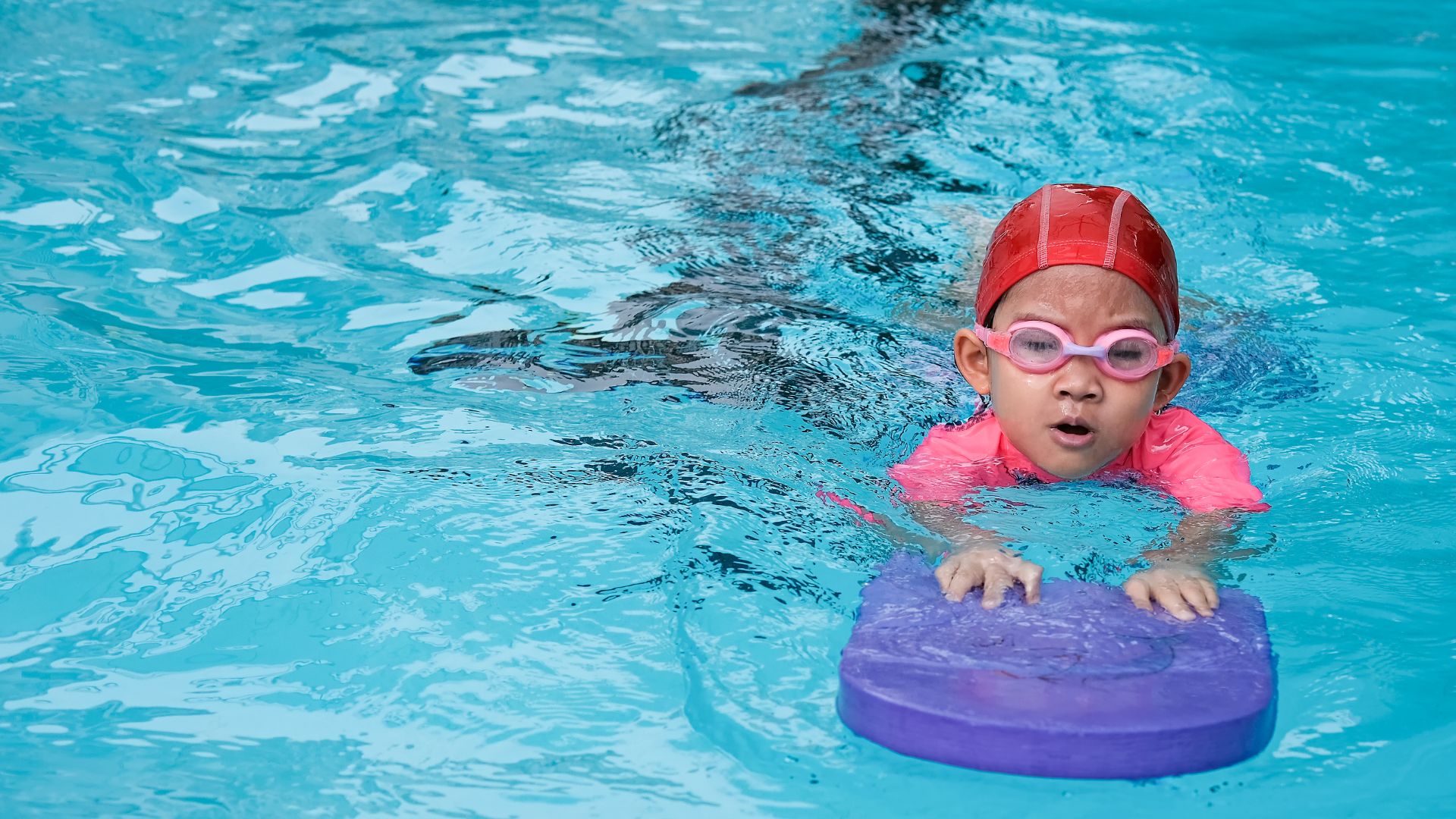
Swimming is one of the most important life skills a child can learn. For parents in Nairobi, enrolling a child in swimming lessons is not just about fitness—it’s about water safety, confidence, and independence.
This guide helps parents understand when to start, what lessons involve, how progress works, and how to choose the right swimming program for their child.
Quick Overview for Parents
If you want the short version, start here:
- Beginner lessons for school-age children:
👉 Kids (Beginners) - Parent-assisted lessons for younger children:
👉 Toddlers (Parent + Child) - Find a nearby pool:
👉 Our Branches - Check schedules and availability:
👉 Pricing & Slots - Need guidance?
👉 Contact Us - Ready to enroll?
👉 Register Here
Why Swimming Lessons Matter for Children
Children are naturally curious around water. Without proper training, this curiosity can be dangerous.
Swimming lessons help children:
- Learn water safety and self-rescue basics
- Build confidence in pools and water environments
- Develop coordination and body awareness
- Improve focus, discipline, and listening skills
- Enjoy swimming as a lifelong activity
Swimming is not about racing—it’s about control, calmness, and safety.
What Age Should Children Start Swimming Lessons?
Toddlers (approx. 2–4 years)
At this stage, lessons are usually parent-assisted.
Focus areas include:
- Water comfort with a parent present
- Gentle submersion and splash play
- Basic safety cues
- Positive association with water
See: Toddlers (Parent + Child)
Children (approx. 4+ years)
Most children can begin independent beginner lessons around age 4.
These lessons focus on:
- Following instructions
- Breathing and floating
- Simple movement and coordination
- Pool safety rules
Start here: Kids (Beginners)
What Children Learn in Beginner Swimming Lessons
Good beginner programs follow a clear progression.
1) Water comfort & safety rules
- Safe pool entry and exit
- Listening to safety commands
- Controlled face submersion
2) Breathing & floating
- Blowing bubbles
- Front and back floating
- Relaxation in water
3) Basic swimming movement
- Kicking techniques
- Arm coordination
- Short assisted swims
4) Confidence & simple self-rescue skills
- Floating to rest
- Regaining balance
- Staying calm when tired
Progress is gradual and age-appropriate.
How Long Does It Take for a Child to Learn Swimming?
Every child is different, but a common beginner timeline is:
- Weeks 1–2: Comfort and water confidence
- Weeks 3–4: Floating and breathing control
- Weeks 5–8: Short independent swims
Children who attend 2–3 sessions per week usually progress more consistently.
What Parents Should Bring for Lessons
Essentials
- Child-sized swimsuit
- Swimming cap
- Goggles
- Towel and slippers
- Water bottle
Extras parents appreciate
- Extra clothes
- Warm hoodie for after class
- Light snack for after swimming
How to Choose the Right Swimming Program for Your Child
When selecting a program, look for:
- Coaches trained in teaching children
- Small class sizes
- Clear safety rules and structure
- Age-appropriate progression
- Positive, calm coaching style
Avoid programs that rush children into deep water or skip fundamentals.
Common Parent Concerns (And Reassurance)
-
“My child is scared of water.”
This is normal. Comfort-first programs handle fear gently. -
“My child is very active.”
Structured lessons help channel energy positively. -
“Will my child fall behind others?”
Progress varies. Confidence matters more than speed.
Next Steps for Parents
Here’s where to go next:
- School-age beginners: Kids (Beginners)
- Younger children: Toddlers (Parent + Child)
- Find a location: Our Branches
- View schedules: Pricing & Slots
- Ask questions: Contact Us
- Enroll now: Register Here
Pro Swim Academy Kenya offers safe, structured swimming lessons for children in Nairobi—designed to build confidence, skill, and lifelong water safety.
- Swimming lessons teach essential water safety and build confidence from an early age.
- Most children can start independent lessons around age 4; younger toddlers benefit from parent-assisted programs.
- Safety-first, comfort-focused coaching ensures steady progress and long-term skill retention.
- Consistency and small class sizes matter more than speed for effective learning.