Beginner Swim Safety & Water Confidence in Nairobi: A Practical Guide
Learning to swim does not start with strokes.
It starts with safety, calm breathing, and water confidence.
For beginners—especially children and adults who feel anxious—water can feel unpredictable and overwhelming. The most successful swimming journeys in Nairobi begin by building trust with water first, before any technical instruction.
This guide explains what water confidence really means, why it matters for beginners, and how safe, structured coaching helps swimmers progress calmly and correctly.
Focus Keyword
Beginner water confidence swimming
Supporting SEO Keywords
- swimming safety for beginners
- learning to swim safely in Nairobi
- water confidence for adults learning to swim
- beginner swimming lessons Nairobi
- how to overcome fear of water
Why Water Confidence Comes Before Swimming Technique
Many beginners assume swimming lessons begin with arm movements or kicking drills. In reality, technique without confidence leads to panic, poor form, and slow progress.
Water confidence means:
- Feeling safe in shallow and deeper water
- Staying calm while floating or submerging the face
- Trusting breathing patterns
- Understanding how the body behaves in water
Without these foundations, swimmers often tense up—making floating harder and learning slower.
This is why structured beginner programs prioritize comfort first, movement second.
👉 See how this is applied in practice:
Adults Swimming Program
Kids (Beginners) Swimming Program
Common Fears Beginners Experience (Adults & Children)
Fear of water is extremely common—and completely normal.
For adults
- Fear of deep water
- Fear of losing breath control
- Fear of embarrassment
- Past negative water experiences
For children
- Separation anxiety
- Sensitivity to water on the face
- Fear of sinking
- Overstimulation in busy pools
A professional swimming environment addresses these fears gradually, never through force or pressure.
What Safe Beginner Swimming Lessons Should Include
A safety-first beginner program follows a progressive structure, not random drills.
1. Controlled Water Entry & Exit
- Learning how to safely enter and exit the pool
- Understanding pool rules and safety cues
- Establishing trust with the coach
2. Breathing Control
- Blowing bubbles
- Rhythmic breathing
- Relaxation of the jaw and shoulders
Breathing control alone dramatically reduces panic.
3. Floating & Buoyancy Awareness
- Back floats and front floats with support
- Understanding how water supports the body
- Learning how to rest safely in water
4. Gentle Movement (Only When Ready)
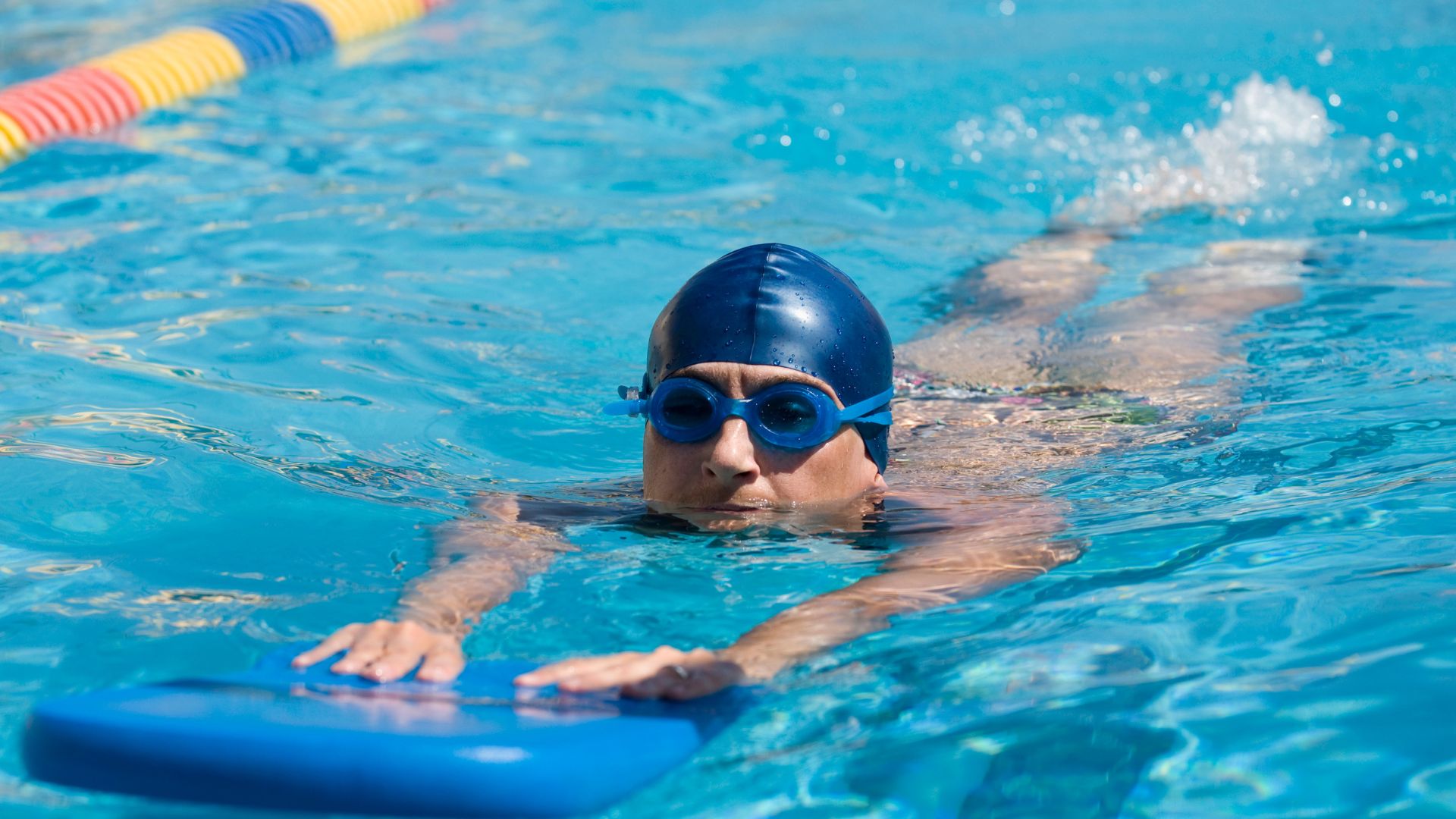
- Assisted kicking
- Short supported swims
- Movement without pressure or rushing
This progression applies to both children and adults.
Why Rushing Beginners Is Dangerous
One of the biggest mistakes in swimming instruction is rushing swimmers into deep water or full strokes too early.
Red flags include:
- Skipping breathing fundamentals
- Forcing submersion
- Large overcrowded beginner classes
- No clear progression milestones
Safe learning environments respect the swimmer’s pace, which leads to faster long-term progress.
Water Confidence for Adult Beginners in Nairobi
Adults often believe it’s “too late” to learn swimming. This is not true.
Adult beginners typically:
- Learn faster once fear is managed
- Have better body awareness
- Progress rapidly with calm coaching
Most adult swimmers report feeling noticeably more confident within the first few sessions when lessons are structured properly.
👉 Learn more: Adults Swimming Lessons in Nairobi
Water Confidence for Children
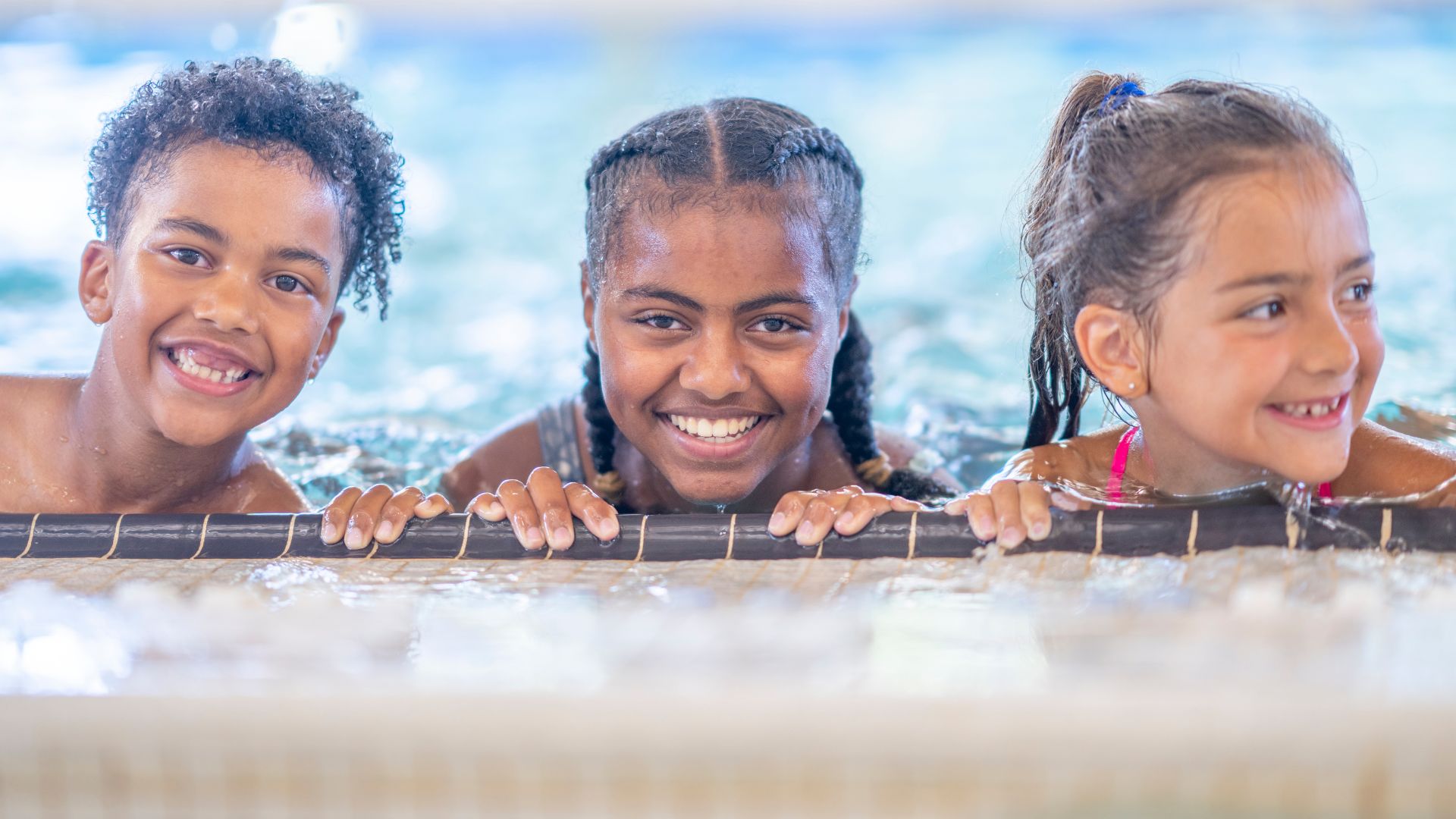
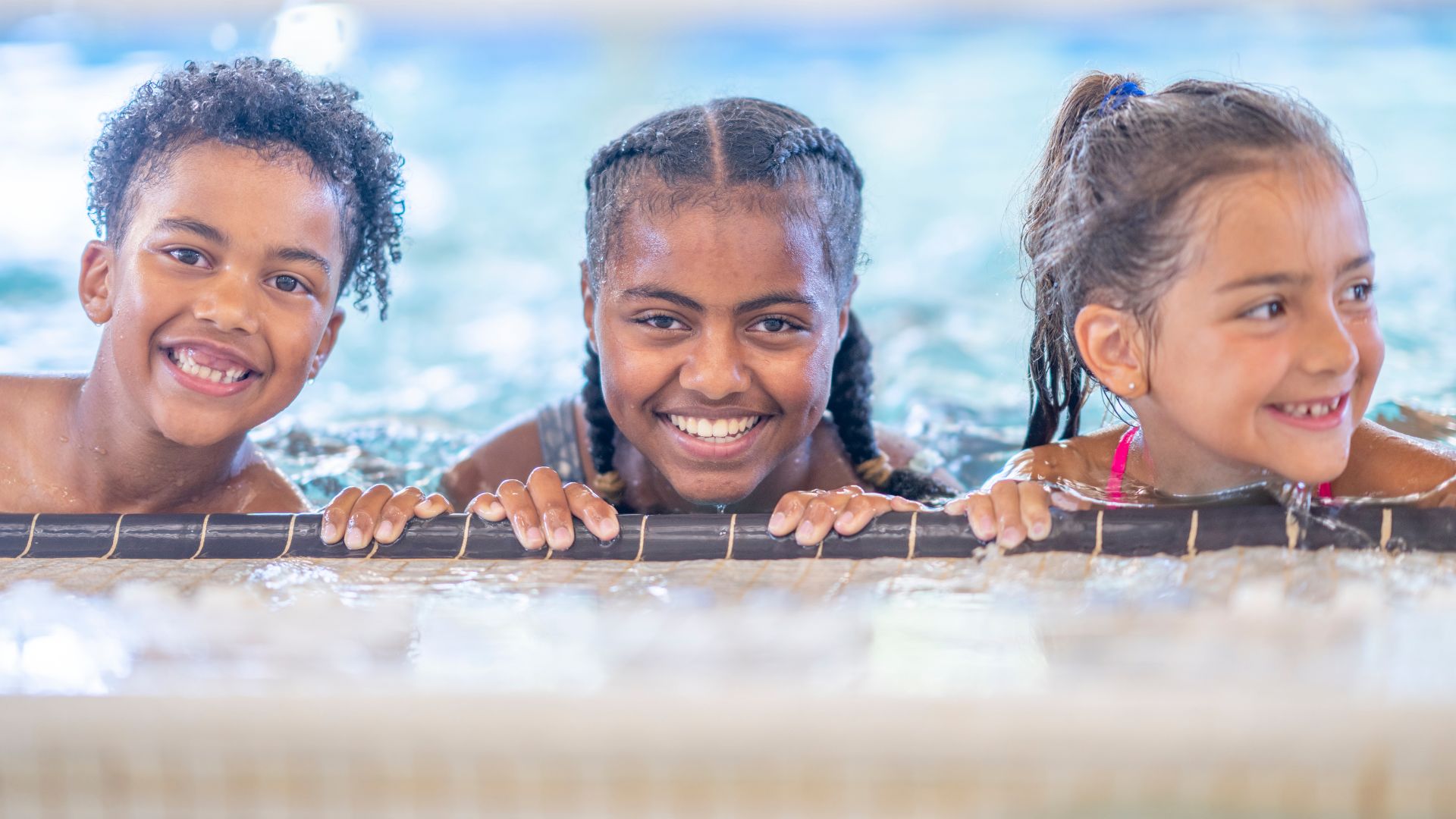
Children build confidence best when:
- Parents trust the coaching process
- Lessons are consistent (2–3 times per week)
- Coaches use clear safety cues
- Progress is praised, not rushed
For younger swimmers, early confidence reduces future fear and supports long-term swimming ability.
👉 Start here: Kids Beginner Swimming Lessons
👉 For younger ages: Toddlers (Parent + Child)
How Long Does It Take to Build Water Confidence?
Every swimmer is different, but typical timelines look like this:
- Weeks 1–2: Comfort in water, breathing control
- Weeks 3–4: Floating and body awareness
- Weeks 5–8: Calm movement and short independent swims
Based on training data and coaching experience, a minimum of 20 lessons (two packages) is recommended for beginners to become fully comfortable and master all foundational skills.
👉 View package structure: Pricing & Slots
👉 Ready to get started? Membership Registration
Choosing a Safe Swimming School in Nairobi
When choosing a swimming academy, prioritize:
- Safety-first coaching philosophy
- Clear beginner progression
- Clean, well-managed pool facilities
- Calm learning environment
- Transparent scheduling and communication
A professional academy focuses on long-term swimmer confidence, not shortcuts.
Final Thoughts: Confidence Is the Real Skill
Swimming is not about speed.
It’s about calm control, safety, and trust in water.
When beginners build water confidence first, everything else—technique, endurance, and enjoyment—follows naturally.
Next Steps
If you’re ready to begin safely:
- Adults: Adults Swimming Program
- Kids: Kids Beginner Lessons
- Toddlers: Parent + Child Program
- Schedules & Pricing: Pricing & Slots
- Register: Membership Registration
- Need guidance? Contact Us
Pro Swim Academy Kenya provides safety-first swimming lessons in Nairobi for adults and children—built on water confidence, structured progression, and professional coaching.
- What lessons include — comfort, then technique, then safety skills.
- A realistic timeline and how often to train for steady progress.
- What to bring, what to expect, and how to choose the right program.