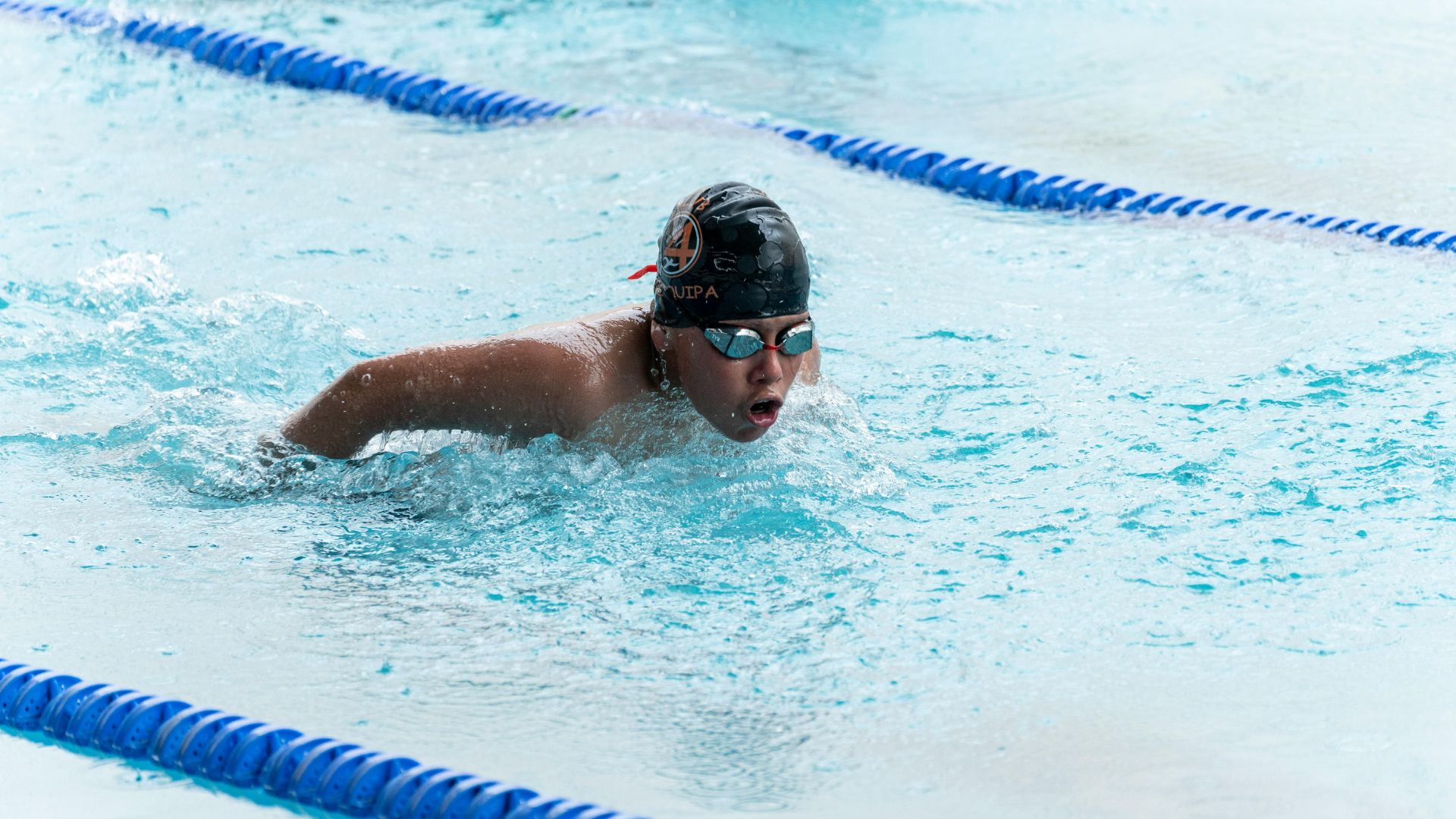
Learning to swim is a life-saving skill, a confidence booster, and one of the best full-body exercises you can do at any age. In Nairobi, more adults and parents are enrolling in structured lessons—whether for water safety, fitness, or personal growth.
This guide is designed for true beginners. You’ll learn what to expect in your first weeks, how progress typically works, what to bring, and how to choose a swimming school that prioritizes safe, consistent improvement.
Quick Overview (Fast Start)
If you’re short on time, here’s the fastest way to get started:
- Choose the right program:
- Adults: Adults Program
- Kids beginners: Kids (Beginners)
- Toddlers: Toddlers (Parent + Child)
- Confirm schedules and availability: Pricing & Slots
- Want guidance? Share the swimmer’s age + preferred days/times: Contact Us
- Ready to enroll? Register Here
Why Learning to Swim in Nairobi Matters
Nairobi has many pools—apartments, schools, clubs, and hotels—and families interact with water more than they realize. Without proper instruction, water exposure can be risky, especially for children or anxious adult beginners.
Key benefits of learning to swim
- Water safety & drowning prevention
- Confidence in pools and during travel
- Low-impact fitness (great for joints and overall conditioning)
- Better breathing control and endurance
- Mental reset: swimming supports stress relief and calm focus
Swimming isn’t seasonal—it’s a lifelong skill.
Who This Guide Is For
This guide is for you if you are:
- An adult who never learned to swim
- An adult who feels anxious in deep water
- A parent enrolling a child for the first time
- A beginner comparing swimming lessons in Nairobi
- A family looking for structured progress—not random drills
No prior experience is required.
What Beginner Swimming Lessons Typically Include
Great beginner programs focus on comfort first, technique second. The goal is not speed—it’s safe, consistent confidence.
1) Water comfort & safe pool habits
- Safe pool entry and exit
- Submersion at your pace (face, ears, controlled dips)
- Basic buoyancy understanding
- Safety cues and “stop rules” (for kids especially)
2) Breathing, floating & body position
- Controlled breathing patterns
- Front/back floats with support
- Relaxation techniques to reduce panic and tension
- Body alignment that prevents “sinking legs”
3) Movement fundamentals
- Kicking technique
- Arm coordination
- Short assisted swims to build rhythm
- Basic propulsion and stability
4) Safety skills & simple self-rescue basics
- Floating to rest
- Recovering when you feel tired or overwhelmed
- Learning how to pause safely and reset breathing
If you’re enrolling a child, start here: Kids (Beginners)
If you’re an adult beginner, start here: Adults Program
How Long Does It Take to Learn Swimming?
Progress depends on comfort level, coaching structure, and frequency. A typical beginner timeline looks like this:
- Weeks 1–2: Water comfort + breathing control
- Weeks 3–4: Floating + basic coordination
- Weeks 5–8: Short independent swims and improved control
Children may progress faster. Adults can progress just as well—fear is usually the biggest barrier, not ability.
The real secret: consistency
Attending 2–3 sessions per week is usually more effective than one long session once a week.
Want to plan around your week? See: Pricing & Slots
What to Bring for Your First Lesson
Essentials
- A fitted swimsuit
- Swimming cap (commonly required)
- Goggles
- Towel + slippers
- Water bottle
For children
- Extra clothes
- A warm layer for after class
- Light snack for after training
Overcoming Fear of Water (Adults Especially)
If you’re nervous about water, you’re not alone. Many adults start with anxiety—especially around deep water or breathing.
A professional coach helps by:
- Starting in shallow areas
- Teaching breathing before movement
- Using gradual exposure (no forcing)
- Building confidence through small wins
Most adults feel noticeably better within the first few lessons.
If you want a coach to recommend the best pathway for your comfort level: Contact Us
How to Choose the Best Swimming School in Nairobi
Not all programs are structured. When choosing a school, prioritize safety, coaching clarity, and progression.
What to look for
- Coaches with clear teaching structure and safety standards
- Clean, well-managed training environment
- Beginner progression with milestones (not “random drills”)
- Small groups or focused attention
- Clear communication on schedules and expectations
Red flags to avoid
- Rushing swimmers into deep water early
- Skipping breathing and floating fundamentals
- No visible progression plan
- Overcrowded sessions with minimal attention
Also useful:
- Where will you train? Our Branches
- What does scheduling look like? Pricing & Slots
Cost of Swimming Lessons in Nairobi
Costs vary depending on:
- Group vs private structure
- Pool location and facilities
- Session frequency
- Coaching model and swimmer-to-coach ratio
Most academies offer monthly packages rather than pay-per-lesson. Always confirm what’s included: number of sessions, make-up rules, and scheduling process.
See: Pricing & Slots
Beginner Tips for Faster Progress
These small habits make a big difference:
- Attend consistently (2–3 times/week if possible)
- Relax your shoulders and jaw—tension fights buoyancy
- Practice slow breathing (even outside the pool)
- Don’t compare progress—confidence varies by person
- Tell your coach what feels scary or confusing
Swimming is built through repetition + calm confidence, not pressure.
Next Steps
If you're ready to start, these are the best links:
- Adults: Adults Program
- Kids beginners: Kids (Beginners)
- Toddlers: Toddlers (Parent + Child)
- Schedules and slots: Pricing & Slots
- Ready to join: Register Here
Pro Swim Academy Kenya offers structured beginner swimming lessons for adults and children in Nairobi—built on safety, clear milestones, and consistent coaching.
- Beginner lessons build comfort first, then breathing, floating, movement, and safety.
- Most beginners improve in 5–8 weeks with consistent sessions (2–3 per week).
- Bring the right gear, follow a calm progression, and choose a school with clear milestones.